Women's Wellness
Menopause and Bone Health: Protecting Your Bones After 40
Chanel Blackmore, Black Pearl Doula Collective November 12, 2026
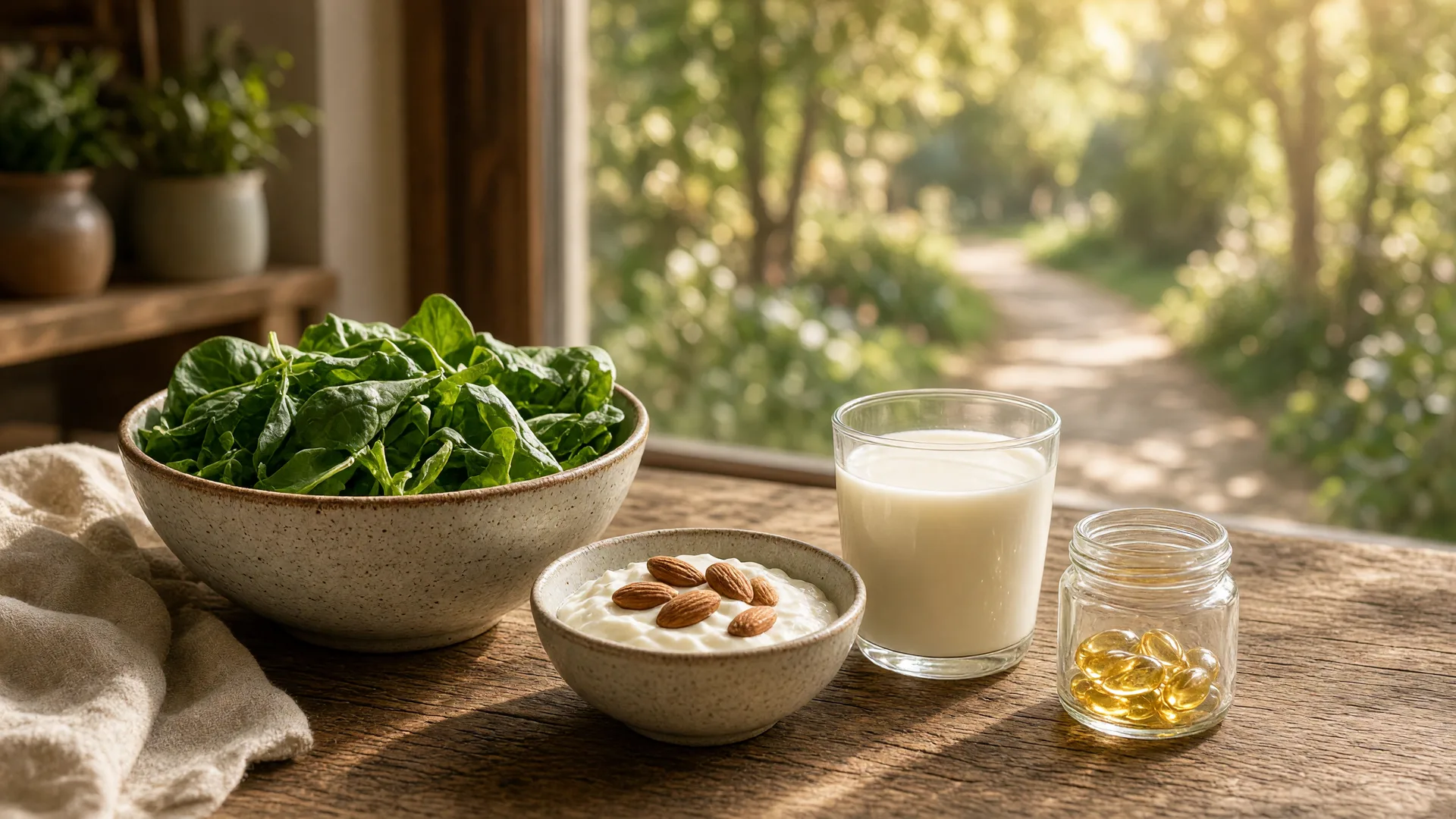
Bone loss accelerates in the first few years after menopause, and the NIH Office on Women's Health recommends that women increase calcium to 1,200 milligrams per day after menopause to help slow that loss. Vitamin D, weight-bearing exercise, and avoiding smoking are part of the picture, and bone density screening is recommended for women 65 and older, plus younger postmenopausal women with risk factors. Black Pearl's menopause support is educational and nonclinical, and it includes knowing when to see a licensed provider for screening and care.
Why does bone health change at menopause?
Estrogen helps protect bone. As estrogen declines during perimenopause and menopause, bone loss can speed up, especially in the first few years after your final menstrual period. That is why bone health becomes a priority around this stage of life.
The changes are gradual, and there is a lot you can do. Nutrition, movement, and regular check-ups all play a role.
How much calcium and vitamin D do I need?
The NIH Office on Women's Health recommends 1,000 mg of calcium per day for adult women and 1,200 mg per day after menopause. ACOG recommends 1,200 mg per day for women over 50 and vitamin D of 600 to 800 IU per day depending on age.
Food comes first: dairy, leafy greens, fortified foods, and other calcium-rich sources. If you think you are not getting enough, ask your provider whether a supplement is right for you before adding one.
- Calcium: about 1,200 mg per day after menopause, ideally from food.
- Vitamin D: about 600 to 800 IU per day, depending on age and your provider's guidance.
- Supplements are not a substitute for diet, exercise, and regular care. Talk with your provider about your numbers.
What kind of exercise protects bone?
Weight-bearing exercise, like walking, and muscle-strengthening activity, like resistance training, are the types ACOG and the NIH Office on Women's Health point to for protecting bone. Balance work also helps prevent falls, which matter as bone density changes.
Start where you are and build gradually. If you have a condition that affects your bones or joints, ask your provider what is safe for you.
When should I have a bone density (DEXA) test?
The NIH Office on Women's Health says bone mineral density testing is recommended for women 65 and older and for younger postmenopausal women with risk factors. ACOG follows that guidance, screening postmenopausal women under 65 who have risk factors such as a fragility fracture, low body weight, a parent with a hip fracture, smoking, or long-term steroid use.
If you are not sure whether screening is right for you, ask your provider at your next visit.
What else supports bone health?
- Eat a balanced diet with enough protein and calcium-rich foods.
- Avoid smoking and limit alcohol.
- Keep up with routine check-ups and preventive screenings.
- Ask about falls prevention and home safety if balance is a concern.
How does Black Pearl's menopause support help?
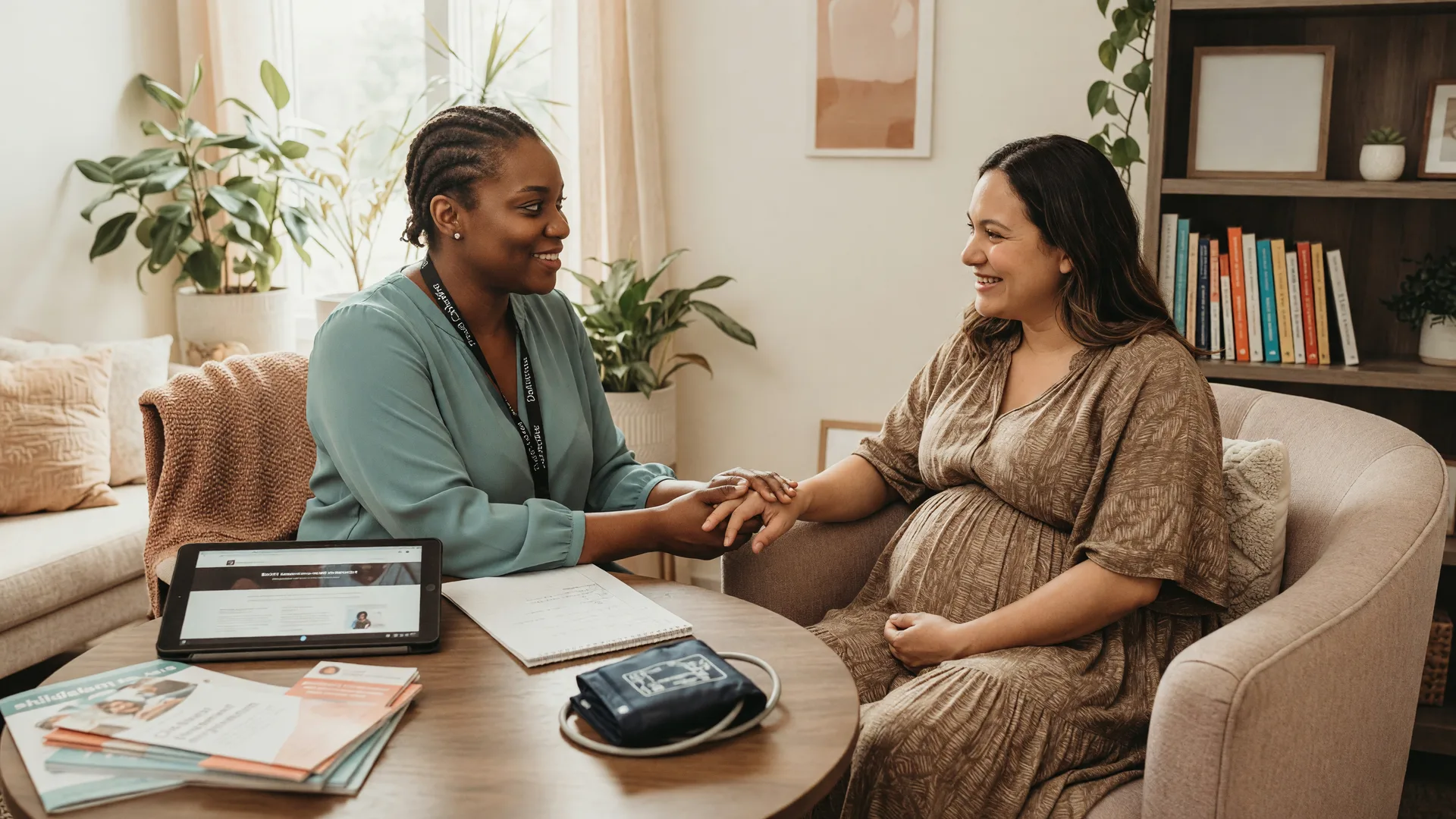
Black Pearl's menopause support is educational, emotional, and practical: helping you understand the changes, prepare questions for your provider, and find community while you navigate this season. It does not replace medical care. Screening, diagnosis, and treatment of bone loss are clinical decisions for your physician.
Learn more about menopause support, read about menopause lifestyle support, and see how the perimenopause conversation can begin earlier.
Frequently asked questions
Do I need a calcium supplement? Many people do not get enough from food alone, but supplements are not right for everyone. Ask your provider whether a supplement makes sense for you and at what dose.
Is it ever too late to protect bone? Bone health matters at every age. Even after menopause, nutrition, exercise, and avoiding smoking and excess alcohol can slow further loss, and treatment is available through your provider.
Can a doula diagnose osteoporosis or order a bone density test? No. A doula provides education and support. Diagnosis, screening, and treatment come from your physician or qualified provider.
Your menopause journey deserves support.
Black Pearl offers free Sister-to-Sister consultations and culturally rooted menopause support that helps you understand your body, prepare for provider visits, and feel less alone in the transition.
Sources
This article is general educational information, not individualized medical advice. Always discuss your health and care decisions with a licensed healthcare provider.
- NIH Office on Women's Health: Vitamins and Minerals for Women
- NIH Office on Women's Health: Osteoporosis
- NIH Office on Women's Health: Menopause and Your Health
- ACOG: Osteoporosis Prevention, Screening, and Diagnosis (Clinical Practice Guideline, 2021)
- ACOG: Management of Postmenopausal Osteoporosis (Clinical Practice Guideline No. 2, 2022)
- ACOG: Osteoporosis (FAQ)