
Birth Support
Hospital Bag Checklist for Birth in Dallas-Fort Worth
Chanel Blackmore, Black Pearl Doula Collective November 2, 2026
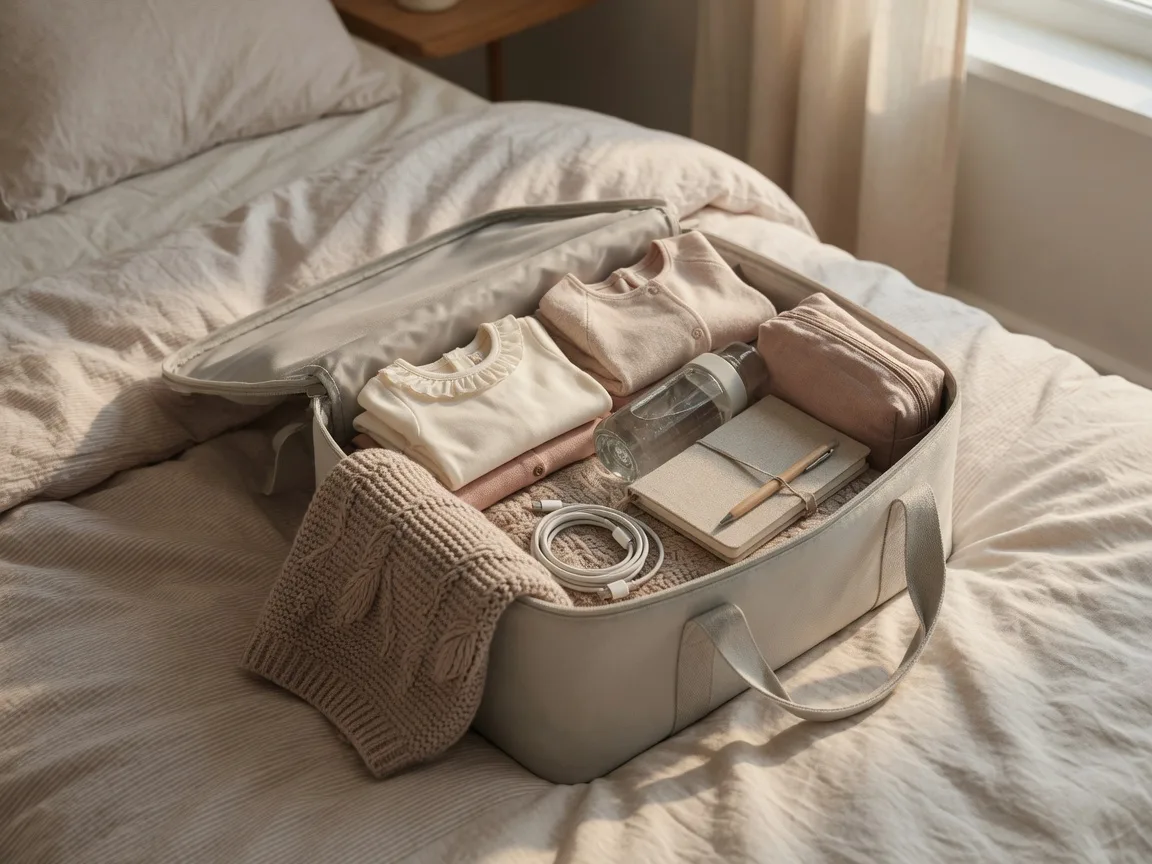
Pack your hospital bag in the last month of pregnancy so it is ready when labor begins. The essentials fall into three groups: documents and comfort items for you, a going-home outfit and an approved car seat for your baby, and chargers and small comforts for the stay. In Dallas-Fort Worth, also plan for the weather and the drive to your hospital.
When should I pack my hospital bag?
Plan to have your bag ready by the last month of pregnancy, around weeks 34 to 36. Labor rarely follows a schedule, and having the bag packed and waiting in the car removes one more thing to think about when contractions start.
The American College of Obstetricians and Gynecologists (ACOG) also recommends knowing how far you live from the hospital, how long the drive takes, and rehearsing the route. In DFW, that drive can change with the time of day, so check traffic before you leave.
Documents and essentials
Keep the paperwork you will need at admission in one easy-to-reach pocket of the bag:
- Photo ID and your insurance card
- Hospital registration or pre-admission paperwork
- Copies of your birth plan
- A list of current medications and allergies
- Your provider's contact information
- Phone and charger, with a long cord if you have one
Comfort items for labor and recovery
Labor can last many hours, and small comforts make a real difference. Pack items that help you rest, move, and feel more at home:
- A nightgown or robe and slippers
- Socks, a nursing bra, and breast pads
- Underwear and loose, comfortable clothes to wear home
- Toiletries: toothbrush, toothpaste, hairbrush, hair ties, lip balm, lotion, and deodorant
- Glasses or contacts and their case
- A pillow from home, snacks, and a refillable water bottle
What to pack for your baby
Most hospitals provide diapers, wipes, and basic newborn items during your stay, so the main things you need are for the ride home.
- A going-home outfit and a hat
- A receiving blanket or swaddle
- An approved infant car seat, installed and checked before labor begins
What to pack for your partner or support person
Your support person will be there for the long haul too. A small bag of their own helps them stay present and rested:
- Snacks and a refillable water bottle
- A change of clothes and comfortable shoes
- Toiletries and any medications they take
- Phone charger, plus a book or headphones
- A pillow if they plan to stay overnight
DFW-specific tips for birth day
North Texas weather swings between hot summers and cold snaps, so pack layers and check the forecast for your due window. Hospital policies vary, from what they supply to who can stay overnight, so ask your hospital for its own list during a tour or prenatal visit.
If a doula is part of your birth team, she can help you pack, review your birth plan, and support you through the drive, admission, and the whole labor. Learn more about birth doula support in DFW.
Frequently asked questions
Do I need to bring diapers and wipes? Most hospitals provide them during the stay. Ask your hospital what it supplies so you only pack what you need for the ride home.
What if I forget something? Hospitals keep basics on hand, and your partner or a loved one can usually bring items from home. Keeping a short list on your phone helps.
When should I install the car seat? Install it before labor begins, and have the installation checked by a certified child passenger safety technician if you can.
Build your birth support team
A doula does not replace your medical team. A doula adds continuous emotional and physical support during labor and helps you communicate your preferences to your providers. Black Pearl's birth doulas help families prepare for birth day, starting with a free Sister-to-Sister consultation.
Pack the bag. Build the team.
Black Pearl birth doulas support families through labor with continuous comfort, communication, and advocacy. Book a free Sister-to-Sister consultation to plan your birth-day support.
Sources
This article is general educational information, not individualized medical advice. Always discuss your health and care decisions with a licensed healthcare provider.